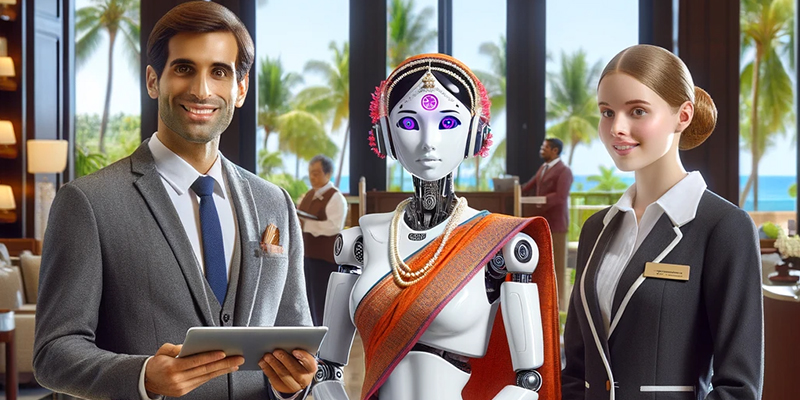
The hospitality industry has long served as a bridge between cultures, fostering understanding and economic growth. In recent decades, Western brands have significantly contributed to China's development, with 20–30% of the valuation of top Western hotel stocks tied to Chinese market expectations.
While some Western companies have exited China, others have successfully integrated into the local market. Walmart operates over 400 stores across 169 Chinese markets, employing 100,000 people and investing $1.2 billion in logistics and distribution. Starbucks boasts over 6,000 stores in 230 cities, generating approximately $3 billion in revenue and employing over 60,000 individuals. The NBA, through its separate entity NBA China, has cultivated a massive fan base, with 500 million fans watching programming on Tencent and 21 million viewing the NBA Finals.
The founder and CEO of Mogul Hospitality, Alexander Mirza, explains how Wyndham and Starbucks did not exit but built their businesses in China.
These examples demonstrate the potential for Western brands to thrive in China by adapting to local preferences and investing in community engagement. As geopolitical tensions rise, it's crucial for the hospitality sector to reaffirm its commitment to cross-cultural collaboration. By embracing a "glocal" approach—thinking globally while acting locally—hospitality can continue to play a pivotal role in revitalizing global engagement with China.
Though the game plan is changing, Western leaders can succeed in the Chinese market by capitalizing on local community initiatives, its cutting-edge infrastructure, and the ease of doing business. Check out the eight lessons curated by Alexander Mirza, the hospitality industry veteran with more than 25 years of C-suite experience.
While some Western companies have exited China, others have successfully integrated into the local market. Walmart operates over 400 stores across 169 Chinese markets, employing 100,000 people and investing $1.2 billion in logistics and distribution. Starbucks boasts over 6,000 stores in 230 cities, generating approximately $3 billion in revenue and employing over 60,000 individuals. The NBA, through its separate entity NBA China, has cultivated a massive fan base, with 500 million fans watching programming on Tencent and 21 million viewing the NBA Finals.
The founder and CEO of Mogul Hospitality, Alexander Mirza, explains how Wyndham and Starbucks did not exit but built their businesses in China.
These examples demonstrate the potential for Western brands to thrive in China by adapting to local preferences and investing in community engagement. As geopolitical tensions rise, it's crucial for the hospitality sector to reaffirm its commitment to cross-cultural collaboration. By embracing a "glocal" approach—thinking globally while acting locally—hospitality can continue to play a pivotal role in revitalizing global engagement with China.
Though the game plan is changing, Western leaders can succeed in the Chinese market by capitalizing on local community initiatives, its cutting-edge infrastructure, and the ease of doing business. Check out the eight lessons curated by Alexander Mirza, the hospitality industry veteran with more than 25 years of C-suite experience.